


Special grain conveyor system in food processing
Each grain specifically requires well-thought-out grain handling equipment. The main concern when choosing a conveyor system is damage during transportation, but there are other things to consider.
The food processing industry is always looking for new ways to make its processes more efficient. Each product category has a conveyor system that works best for that particular food.
The biggest problem with transporting grain is that it is very fragile and needs to be transported gently. Some examples of material handling equipment used for these products are pneumatic conveyors, belt conveyors, and bucket elevators. However, these specialty grain conveyors are not the only option. The equipment used depends on what is being transported, where it is going and how fast it needs to get there.
Each grain specifically requires well-thought-out grain handling equipment. The main concern when choosing a conveyor system is damage during transportation, but there are other things to consider.
Common problems that arise during transmission are:
- Contamination and cross-contamination
In food processing, contamination is defined as the addition of an undesirable substance that is not normally expected to a process or product. The presence of foreign ingredients can cause taste, consistency and safety problems in many cases.
Cross-contamination occurs when an ingredient is accidentally mixed with another product that may come from the same production line.
- Dust
Particulate matter is very fine and can be a respiratory hazard. Dust from grains is no different, and needs to be handled with care as it poses a health hazard to those who come into contact with it. The presence of this dust also disrupts production by clogging filters or machine components.
The best way to reduce particle dust exposure and dust accumulation during transportation is to choose a fully enclosed conveyor system.
- Product damage
Grains can suffer a variety of damage during transit, such as they can be crushed, chipped, or broken. The small particles are very fragile and can quickly separate during transport. This is especially true if the conveyor system uses high speed or folding turns to move product quickly through production lines.
Typical grain transportation problems can be minimized by choosing the right conveyor system for the job. The following features are required to look for when making your selection:
- Closed system
We have determined that grains are particularly susceptible to contamination and cross-contamination during transport, which is why the system must be completely enclosed. This also reduces dust exposure. The closed system will also keep heat, humidity and airflow isolated from the grain so that the grain's quality is not affected during transit.
- Speed control
The quality of the grain largely depends on the speed of the conveyor system. The faster the travel speed, the more likely spoilage is to occur, and the more likely there is to be cross-contamination between multiple grains being handled through the production lines at the same time.
Reducing the transport speed ensures that the particles arrive intact with minimal wear due to friction between them, increasing their marketability and nutritional value. The best way to achieve this is to use a speed drive system that can adjust the speed according to the need.
- Modular design
If your facility doesn't have a lot of floor space, you may need to consider a conveyor system that can be added at any time. The best way to do this is to opt for the included modular design.
Modular conveyors are built in sections and can be easily linked together. They also come with all the necessary equipment to make installation quick and easy. The modular design spreads your investment over time, rather than requiring you to pay all the money up front for a conveyor system that may not even be right for your facility.
- Temperature and humidity control
Specialty grains need an optimal environment during transport to ensure they maintain quality. Heat and humidity can affect how much damage has occurred and cause other problems such as mold growth or contamination. The best way to avoid this is to invest in a dedicated grain conveyor system with temperature and humidity control.
- Easy to clean and sanitize
Conveyor system with nooks and crannies where bacteria can hide. At the same time, they grow larger throughout the day, which increases your chances of equipment failure or process downtime due to food safety issues. Combat this by choosing a dedicated grain conveyor system with all the necessary accessories and equipment to ensure easy cleaning.
- Scheduled maintenance
Conveyor systems fail and cause you to be out of service for hours or days costing your business money if it is not properly maintained.
Avoid these costly repairs by choosing special grain conveyors that have scheduled maintenance plans as well as proper documentation of all inspections, work requirements and other services performed. present throughout the year. The more proactive you are with maintenance, the less likely it is to have problems and waste your time or money in repair work.
- Belt Conveyor
One of the most frequently used types of conveyors in any industry is the conveyor belt. The best option for specialty cereal is one that has a closed system to protect it from contaminants.
While the belt is ideal for reducing product damage because the material being transported does not actually travel on the belt, it does have some disadvantages. Specifically, belt conveyors can only work horizontally or at a slight angle, they cannot be used vertically. This limits their use in spaces that are not large enough.
The conveyors also take up more space than other conveyor systems because they require clearance above the conveyor and below the conveyor belt, which can make them difficult to use in tight spaces.
![]()
- Pneumatic conveyor
The compressed air system is completely enclosed and can fit into tight spaces. However, they operate on positive pressure, which means they are not ideal for use with fragile materials. Pneumatic conveyors move material at extremely high speeds, which can damage its integrity.
If you choose to adjust the speed of the conveyor, such as lowering for fragile materials, it can take quite a bit of electrical energy to maintain the speed. The power required to run a pneumatic conveyor can significantly increase electricity bills each month, making it an expensive option for specialty grain processing facilities.
![]()
- Screw conveyor
Although screw conveyors are low maintenance and relatively inexpensive to repair, they are not the best choice for specialty grains.
The material is moved with a screw or a drill to move the grain in a rotary manner, which means that the grain is in contact with at least two surfaces of the conveyor during transportation. The problem with these types of systems is that they don't allow for gentle transitions. Grain is often jostled and damaged as it moves along a conveyor belt, making it an undesirable choice if you're looking to preserve grain integrity.![]()
The best conveying option for specialty grains such as rice, coffee and the like is a closed system to protect it from contaminants. Conveyor, bucket and pneumatic conveying systems should be considered when handling delicate materials. The system's screw conveyor type can work in some cases, but the material comes in contact with more surfaces and can cause damage if not carefully monitored.
When planning your next conveyor system, consider the type of grain you will be transporting and choose your conveyor accordingly. Optimizing speed is important to ensure grain is not jostled during transport, as well as to control temperature and humidity. A modular design and a regular maintenance plan are also considerations.
Related Posts:
The biggest problem with transporting grain is that it is very fragile and needs to be transported gently. Some examples of material handling equipment used for these products are pneumatic conveyors, belt conveyors, and bucket elevators. However, these specialty grain conveyors are not the only option. The equipment used depends on what is being transported, where it is going and how fast it needs to get there.
Common problems during transmission
Each grain specifically requires well-thought-out grain handling equipment. The main concern when choosing a conveyor system is damage during transportation, but there are other things to consider.
Common problems that arise during transmission are:
- Contamination and cross-contamination
In food processing, contamination is defined as the addition of an undesirable substance that is not normally expected to a process or product. The presence of foreign ingredients can cause taste, consistency and safety problems in many cases.
Cross-contamination occurs when an ingredient is accidentally mixed with another product that may come from the same production line.
- Dust
Particulate matter is very fine and can be a respiratory hazard. Dust from grains is no different, and needs to be handled with care as it poses a health hazard to those who come into contact with it. The presence of this dust also disrupts production by clogging filters or machine components.
The best way to reduce particle dust exposure and dust accumulation during transportation is to choose a fully enclosed conveyor system.
- Product damage
Grains can suffer a variety of damage during transit, such as they can be crushed, chipped, or broken. The small particles are very fragile and can quickly separate during transport. This is especially true if the conveyor system uses high speed or folding turns to move product quickly through production lines.
Important Features of Grain Conveyor
Typical grain transportation problems can be minimized by choosing the right conveyor system for the job. The following features are required to look for when making your selection:
- Closed system
We have determined that grains are particularly susceptible to contamination and cross-contamination during transport, which is why the system must be completely enclosed. This also reduces dust exposure. The closed system will also keep heat, humidity and airflow isolated from the grain so that the grain's quality is not affected during transit.
- Speed control
The quality of the grain largely depends on the speed of the conveyor system. The faster the travel speed, the more likely spoilage is to occur, and the more likely there is to be cross-contamination between multiple grains being handled through the production lines at the same time.
Reducing the transport speed ensures that the particles arrive intact with minimal wear due to friction between them, increasing their marketability and nutritional value. The best way to achieve this is to use a speed drive system that can adjust the speed according to the need.
- Modular design
If your facility doesn't have a lot of floor space, you may need to consider a conveyor system that can be added at any time. The best way to do this is to opt for the included modular design.
Modular conveyors are built in sections and can be easily linked together. They also come with all the necessary equipment to make installation quick and easy. The modular design spreads your investment over time, rather than requiring you to pay all the money up front for a conveyor system that may not even be right for your facility.
- Temperature and humidity control
Specialty grains need an optimal environment during transport to ensure they maintain quality. Heat and humidity can affect how much damage has occurred and cause other problems such as mold growth or contamination. The best way to avoid this is to invest in a dedicated grain conveyor system with temperature and humidity control.
- Easy to clean and sanitize
Conveyor system with nooks and crannies where bacteria can hide. At the same time, they grow larger throughout the day, which increases your chances of equipment failure or process downtime due to food safety issues. Combat this by choosing a dedicated grain conveyor system with all the necessary accessories and equipment to ensure easy cleaning.
- Scheduled maintenance
Conveyor systems fail and cause you to be out of service for hours or days costing your business money if it is not properly maintained.
Avoid these costly repairs by choosing special grain conveyors that have scheduled maintenance plans as well as proper documentation of all inspections, work requirements and other services performed. present throughout the year. The more proactive you are with maintenance, the less likely it is to have problems and waste your time or money in repair work.
Types of grain conveyors commonly used today
- Belt Conveyor
One of the most frequently used types of conveyors in any industry is the conveyor belt. The best option for specialty cereal is one that has a closed system to protect it from contaminants.
While the belt is ideal for reducing product damage because the material being transported does not actually travel on the belt, it does have some disadvantages. Specifically, belt conveyors can only work horizontally or at a slight angle, they cannot be used vertically. This limits their use in spaces that are not large enough.
The conveyors also take up more space than other conveyor systems because they require clearance above the conveyor and below the conveyor belt, which can make them difficult to use in tight spaces.
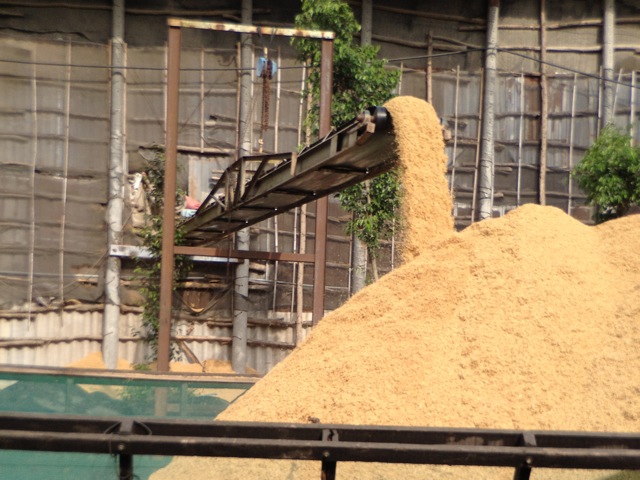
- Pneumatic conveyor
The compressed air system is completely enclosed and can fit into tight spaces. However, they operate on positive pressure, which means they are not ideal for use with fragile materials. Pneumatic conveyors move material at extremely high speeds, which can damage its integrity.
If you choose to adjust the speed of the conveyor, such as lowering for fragile materials, it can take quite a bit of electrical energy to maintain the speed. The power required to run a pneumatic conveyor can significantly increase electricity bills each month, making it an expensive option for specialty grain processing facilities.
.png)
- Screw conveyor
Although screw conveyors are low maintenance and relatively inexpensive to repair, they are not the best choice for specialty grains.
The material is moved with a screw or a drill to move the grain in a rotary manner, which means that the grain is in contact with at least two surfaces of the conveyor during transportation. The problem with these types of systems is that they don't allow for gentle transitions. Grain is often jostled and damaged as it moves along a conveyor belt, making it an undesirable choice if you're looking to preserve grain integrity.
.png)
Conclusion
The best conveying option for specialty grains such as rice, coffee and the like is a closed system to protect it from contaminants. Conveyor, bucket and pneumatic conveying systems should be considered when handling delicate materials. The system's screw conveyor type can work in some cases, but the material comes in contact with more surfaces and can cause damage if not carefully monitored.
When planning your next conveyor system, consider the type of grain you will be transporting and choose your conveyor accordingly. Optimizing speed is important to ensure grain is not jostled during transport, as well as to control temperature and humidity. A modular design and a regular maintenance plan are also considerations.
Related Posts:
- How to choose the best conveyor system for fragile materials
- What is Conveyor Belt Connector and popular effective methods today
- Materials commonly used to produce conveyor belts today


