


What is Agricultural Conveyor?
Agricultural conveyors are used during the processing or freezing of vegetables, fruits and other agricultural products for packaging to send to retailers or other processing plants.
From harvesting to processing to transporting to the final buyer, the uses of conveyor belts in the agricultural industry are many. They are the ideal equipment to have on hand when working with bulk loading, processing and shipping jobs. When carefully selected based on your production needs, agricultural conveyors can increase your efficiency and reduce what can be a time consuming or costly task.
Used by farmers around the world, conveyor belts play an essential role in agricultural systems. Of course, there are several types of conveyor belts in the agricultural industry that are used frequently. From mobile conveyors used to collect and sort the harvest to filling and recovery systems, every part of the cycle, from the ground to the market, includes an essential conveyor element.
Conveyor belts for agriculture are specifically designed to serve the needs of the agricultural industry. They are not only cost effective but also efficient, capable of adjusting to any type of temperature. Food hygiene and safety are important in the agricultural sector, and conveyor belts comply with food regulations when in direct contact with fruits and vegetables. Conveyors used in agriculture are strong, strong and have low elongation.
Agricultural conveyors are used during the processing or freezing of vegetables, fruits and other agricultural products for packaging to send to retailers or other processing plants. Besides, these conveyors are being effectively used to load bulk onto trucks to transport them to their final destination.
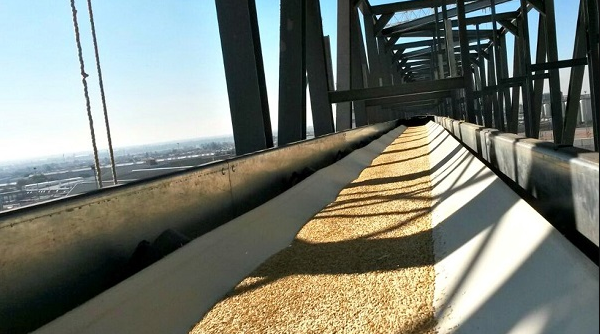
- Rice conveyor belt
Rice conveyor belts are commonly used today in the agricultural production industry. They are characterized by large transport capacity, stability, and easy adaptability to any working environment.
![]()
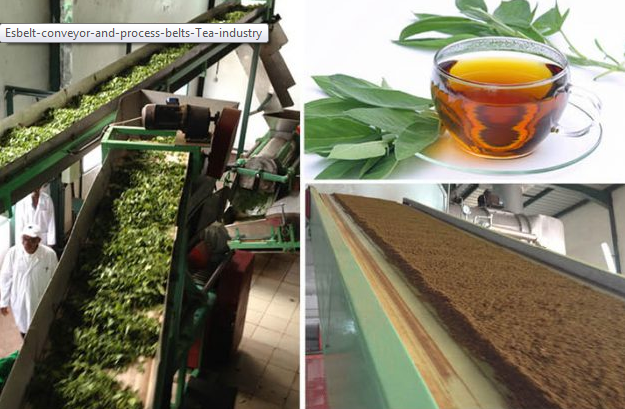
- Conveyor belt for tea production
Using PVC straps is the preferred choice of tea producers. Excellent mechanical performance even under minimal maintenance conditions. They ensure hygiene, chemical resistance for tea.
![]()
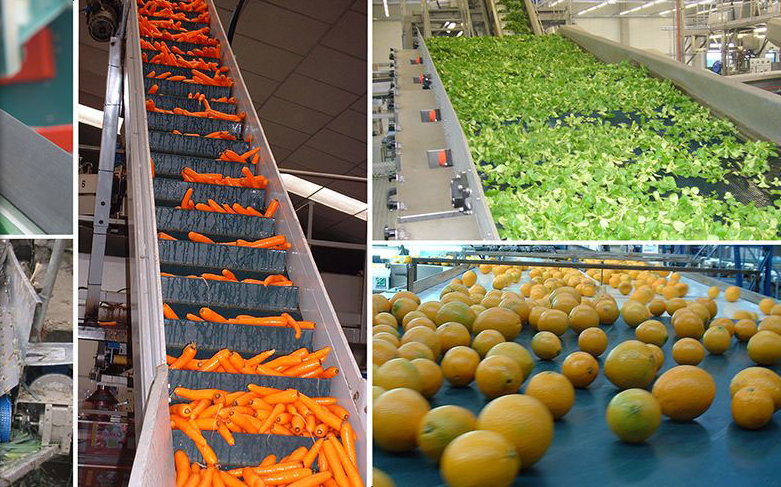
- Fruit conveyor
Wide range of straps for harvesting, washing, cutting, packing and transporting a variety of fruits and vegetables. Many types of fruit conveyors are manufactured in compliance with food safety regulations. Light weight, waterproof, easy to install and maintain. Mesh, flat and patterned conveyor belts are available in a variety of colors.
![]()
- Use: Above all, knowing the intended use will guide your search. Look for equipment specifically or custom made for use in agriculture. This may be fundamentally different from what you might find in an industrial or other material handling facility, as when handling food or products you will have specific instructions to follow.
- Design: For each task, consider how the desired characteristics of your conveyor system change. For field work, you will most likely require an attached, inclined conveyor that will quickly and efficiently load the harvest onto the transport vehicle.
- Consider quality and durability: The specifications of conveyor belts in the agricultural industry can vary from low quality to high quality, depending on your supplier. Always do your research to determine if you are buying equipment that is built for your intended use.
- Save time
- Energy savings
- Increase revenue and profit
- Expansion of agricultural production activities
Conveyor belts in agriculture and the transport function of this equipment have brought great economic benefits, especially for factories exporting agricultural products to foreign countries. Therefore, the introduction of conveyor belts into the agricultural production industry is essential to increase production efficiency and competitiveness for businesses.
Related Posts:
Used by farmers around the world, conveyor belts play an essential role in agricultural systems. Of course, there are several types of conveyor belts in the agricultural industry that are used frequently. From mobile conveyors used to collect and sort the harvest to filling and recovery systems, every part of the cycle, from the ground to the market, includes an essential conveyor element.
What is Agricultural Conveyor?
Conveyor belts for agriculture are specifically designed to serve the needs of the agricultural industry. They are not only cost effective but also efficient, capable of adjusting to any type of temperature. Food hygiene and safety are important in the agricultural sector, and conveyor belts comply with food regulations when in direct contact with fruits and vegetables. Conveyors used in agriculture are strong, strong and have low elongation.
Agricultural conveyors are used during the processing or freezing of vegetables, fruits and other agricultural products for packaging to send to retailers or other processing plants. Besides, these conveyors are being effectively used to load bulk onto trucks to transport them to their final destination.
Some types of agricultural conveyors today:
- Rice conveyor belt
Rice conveyor belts are commonly used today in the agricultural production industry. They are characterized by large transport capacity, stability, and easy adaptability to any working environment.
- Conveyor belt for tea production
Using PVC straps is the preferred choice of tea producers. Excellent mechanical performance even under minimal maintenance conditions. They ensure hygiene, chemical resistance for tea.
- Fruit conveyor
Wide range of straps for harvesting, washing, cutting, packing and transporting a variety of fruits and vegetables. Many types of fruit conveyors are manufactured in compliance with food safety regulations. Light weight, waterproof, easy to install and maintain. Mesh, flat and patterned conveyor belts are available in a variety of colors.
Things to consider when looking for an agricultural conveyor system
- Use: Above all, knowing the intended use will guide your search. Look for equipment specifically or custom made for use in agriculture. This may be fundamentally different from what you might find in an industrial or other material handling facility, as when handling food or products you will have specific instructions to follow.
- Design: For each task, consider how the desired characteristics of your conveyor system change. For field work, you will most likely require an attached, inclined conveyor that will quickly and efficiently load the harvest onto the transport vehicle.
- Consider quality and durability: The specifications of conveyor belts in the agricultural industry can vary from low quality to high quality, depending on your supplier. Always do your research to determine if you are buying equipment that is built for your intended use.
Benefits of using conveyor belts in the agricultural industry
- Save time
- Energy savings
- Increase revenue and profit
- Expansion of agricultural production activities
Conveyor belts in agriculture and the transport function of this equipment have brought great economic benefits, especially for factories exporting agricultural products to foreign countries. Therefore, the introduction of conveyor belts into the agricultural production industry is essential to increase production efficiency and competitiveness for businesses.
Related Posts:
- Types of conveyor rollers to suit your application
- Automation in Industry 4.0
- Special grain conveyor system in food processing


