


Manual and Automated Material Handling: What"s Best for Your Business
Manual and automated material handling systems come with their own benefits and limitations. The type of material handling system design and decision depends on several factors. Business budget and material volume are two key factors.
Material handling systems refer to a comprehensive set of tasks, including moving, packing and unpacking, storage, protection and control of products and materials. From production and storage to distribution and disposal, materials handling systems are valuable for every operation.
Many different types of material handling systems are used in different industries: Automotive, food and beverage, consumer goods, construction, E-commerce, healthcare and retail, are a few examples of industries that have seen widespread application of material handling systems.
Manual material handling is the process of handling or moving materials using manual labor. The process includes pushing, pulling, lifting, grabbing, manipulating, carrying and holding. Although manual, this type of handling requires the use of equipment such as manual cranes, forklifts, slings and hooks, short-distance conveyors, and forklifts.
- Cost savings:
Manual material handling does not require much initial investment. It is very easy to set up these systems. Since the initial investment is low, a quick return on investment is realized.
- Easy for employees to adapt:
Manual material handling systems do not involve advanced technology. So there is no need for intense staff training. However, safety training is required to ensure that employees handle the device safely. Since this system does not require staff to have technical expertise, it will be easier to adapt to the new environment.
- Larger space availability:
Manual systems do not involve the use of large or heavy equipment, which increases the amount of usable space.
- Improve process efficiency:
The involvement of well-trained and experienced staff ensures efficient completion of the task. Where there is a manual element, dynamic processes, frequently changing parameters, can be completed with great efficiency.
- Ensure a safe working environment:
With regular safety training, employers and employees are aware of the safety precautions they need to take when handling materials by hand. As a result, the workspace is safer and accidents caused by negligence are reduced.
- Employee Engagement:
Since manual material handling is labor dependent, it is very important to retain as well as attract new employees. A good and safe workspace based on the principles of material handling systems is sure to retain and attract employees.
- Facilitating better customer service:
Well-trained workers, increase process efficiency and improve productivity, resulting in better delivery times and increased customer satisfaction.
- Scale of difficulty:
Manual material handling can only be used for one process at a time. If your business scales up and your operations need to handle a lot of concurrent operations, manual processing may not be able to meet the demand.
- Possible errors:
Human intervention makes manual material handling prone to errors and inaccuracies. For example, there may be errors in inventory management and order fulfillment.
- Mandatory safety training:
Personnel should receive safety training to handle the equipment and operate it without the risk of injury or death. Such training needs to be done on a regular basis to keep employees up to date with new and up-to-date safety practices.

Automated material handling systems are pre-programmed computer systems with built-in technology to complete the task. These systems feature advanced technology for moving, storing, accessing and locating materials.
Automated material handling may require manual intervention for tasks such as picking, dropping and pushing. Some examples of automated handling equipment include scissor lifts, dock levelers, pallet locators, and automatic conveyors.
- Increased flexibility:
Automated systems are very flexible. If you are scaling your operations, then you can program these systems accordingly to handle multiple processes at the same time. With the right planning, you can use automated systems to scale up or down in real time.
- High cost effectiveness:
Automated systems save money in the long run. This technology can be expensive, especially if it is a custom product. But the cost can be offset because manual labor is reduced. With automation, tasks can be performed faster and accurately, increasing productivity.
- Increase safety in the workplace:
With automatic handling, employees won't have to lift or carry heavy objects, reducing the risk of slip and fall accidents. The risk of physical problems such as lower back pain, back injury and fatigue is also minimized.
- Optimize space:
Space can be used with maximum efficiency. For example, automatic devices such as forks allow access to spaces in higher positions. This space can be used to stack products without waste.
Products can also be retrieved more quickly and easily through the use of automated handling systems. Existing space is used to create more space and is used efficiently.
- Improve quality and order fulfillment:
Automated processing minimizes errors in order processing, improves shipping and expedites delivery. As a result, customer service is improved.
- Better employee morale:
Staff with technical expertise will show an interest in your business. A work station that protects employees from accidents and injuries is an attractive attraction for employees with experience in material handling and logistics. You will be able to retain current employees and attract new employees.
Manual and automated material handling systems come with their own benefits and limitations. The type of material handling system design and decision depends on several factors. Business budget and material volume are two key factors.
If you expect your material handling orders to increase in the future, an automated system will perform better. If you have an existing manual system and are looking to upgrade, small-scale automation can be a prudent first step.
Small businesses and businesses dealing with dynamic processes can benefit from manual material handling. Businesses like manufacturing and warehousing, which handle high volumes of repetitive and material handling jobs on a daily basis benefit from automated systems.
Related Posts:
Many different types of material handling systems are used in different industries: Automotive, food and beverage, consumer goods, construction, E-commerce, healthcare and retail, are a few examples of industries that have seen widespread application of material handling systems.
Manual material handling system
Manual material handling is the process of handling or moving materials using manual labor. The process includes pushing, pulling, lifting, grabbing, manipulating, carrying and holding. Although manual, this type of handling requires the use of equipment such as manual cranes, forklifts, slings and hooks, short-distance conveyors, and forklifts.
Advantages of manual material handling systems
- Cost savings:
Manual material handling does not require much initial investment. It is very easy to set up these systems. Since the initial investment is low, a quick return on investment is realized.
- Easy for employees to adapt:
Manual material handling systems do not involve advanced technology. So there is no need for intense staff training. However, safety training is required to ensure that employees handle the device safely. Since this system does not require staff to have technical expertise, it will be easier to adapt to the new environment.
- Larger space availability:
Manual systems do not involve the use of large or heavy equipment, which increases the amount of usable space.
- Improve process efficiency:
The involvement of well-trained and experienced staff ensures efficient completion of the task. Where there is a manual element, dynamic processes, frequently changing parameters, can be completed with great efficiency.
- Ensure a safe working environment:
With regular safety training, employers and employees are aware of the safety precautions they need to take when handling materials by hand. As a result, the workspace is safer and accidents caused by negligence are reduced.
- Employee Engagement:
Since manual material handling is labor dependent, it is very important to retain as well as attract new employees. A good and safe workspace based on the principles of material handling systems is sure to retain and attract employees.
- Facilitating better customer service:
Well-trained workers, increase process efficiency and improve productivity, resulting in better delivery times and increased customer satisfaction.
Disadvantages of manual material handling
- Scale of difficulty:
Manual material handling can only be used for one process at a time. If your business scales up and your operations need to handle a lot of concurrent operations, manual processing may not be able to meet the demand.
- Possible errors:
Human intervention makes manual material handling prone to errors and inaccuracies. For example, there may be errors in inventory management and order fulfillment.
- Mandatory safety training:
Personnel should receive safety training to handle the equipment and operate it without the risk of injury or death. Such training needs to be done on a regular basis to keep employees up to date with new and up-to-date safety practices.
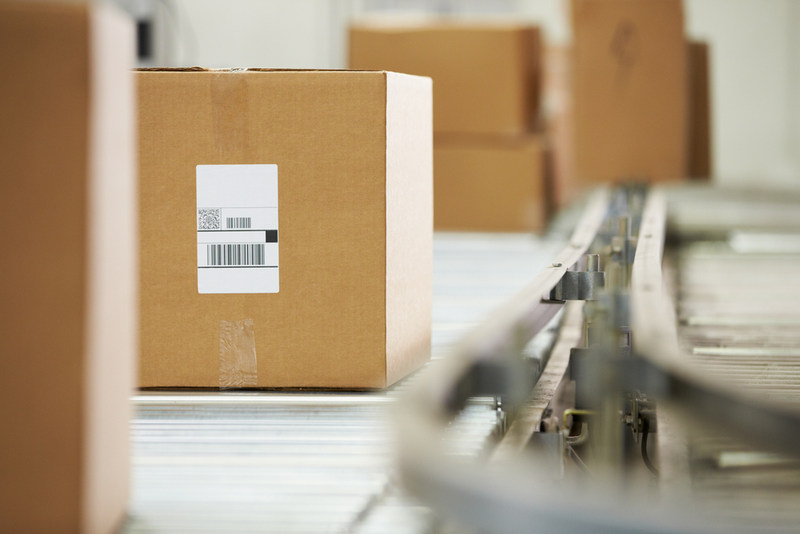
Automatic material handling system
Automated material handling systems are pre-programmed computer systems with built-in technology to complete the task. These systems feature advanced technology for moving, storing, accessing and locating materials.
Automated material handling may require manual intervention for tasks such as picking, dropping and pushing. Some examples of automated handling equipment include scissor lifts, dock levelers, pallet locators, and automatic conveyors.
Benefits of automated material handling
- Increased flexibility:
Automated systems are very flexible. If you are scaling your operations, then you can program these systems accordingly to handle multiple processes at the same time. With the right planning, you can use automated systems to scale up or down in real time.
- High cost effectiveness:
Automated systems save money in the long run. This technology can be expensive, especially if it is a custom product. But the cost can be offset because manual labor is reduced. With automation, tasks can be performed faster and accurately, increasing productivity.
- Increase safety in the workplace:
With automatic handling, employees won't have to lift or carry heavy objects, reducing the risk of slip and fall accidents. The risk of physical problems such as lower back pain, back injury and fatigue is also minimized.
- Optimize space:
Space can be used with maximum efficiency. For example, automatic devices such as forks allow access to spaces in higher positions. This space can be used to stack products without waste.
Products can also be retrieved more quickly and easily through the use of automated handling systems. Existing space is used to create more space and is used efficiently.
- Improve quality and order fulfillment:
Automated processing minimizes errors in order processing, improves shipping and expedites delivery. As a result, customer service is improved.
- Better employee morale:
Staff with technical expertise will show an interest in your business. A work station that protects employees from accidents and injuries is an attractive attraction for employees with experience in material handling and logistics. You will be able to retain current employees and attract new employees.
Which material handling system is good for my business?
Manual and automated material handling systems come with their own benefits and limitations. The type of material handling system design and decision depends on several factors. Business budget and material volume are two key factors.
If you expect your material handling orders to increase in the future, an automated system will perform better. If you have an existing manual system and are looking to upgrade, small-scale automation can be a prudent first step.
Small businesses and businesses dealing with dynamic processes can benefit from manual material handling. Businesses like manufacturing and warehousing, which handle high volumes of repetitive and material handling jobs on a daily basis benefit from automated systems.
Related Posts:


