


What is the role of industry?
Industry is a key economic sector, playing an extremely important role in the socio-economic development of each country. Sustainable industrial development will contribute to improving people’s lives and protecting the living environment for future generations.
Industries are very important in modern human economic activities. The economic development of each country is mainly determined by the industrial development of that country. Industries are the main feature of modern civilization and they provide us with necessary materials and employment opportunities. In the era of modernization, the role of industries is an indispensable part of our lives.
What is industry?
Industry is an economic sector operating in the field of material production, using natural resources and human labor to create products to serve human needs. Industry is different from agriculture in that it does not directly produce products from nature but uses products from agriculture and other industries as raw materials to process and process into finished products.

Classification of industries
Industries are classified according to many different criteria, but the most common are classified by product and by raw materials.
1. Classification by product:
- Heavy industry:
Produces products that are large in size, large in volume, consume a lot of raw materials and energy, and require the use of high technology and modern equipment.
For example:
- Metallurgy industry: produces steel, cast iron, aluminum, etc.
- Machinery manufacturing industry: produces machinery and equipment for other industries.
- Chemical industry: produces fertilizers, chemicals, drugs, etc.
- Light industry:
Produces products that are small in size, light in weight, consume little raw materials and energy, and require the use of relatively simple technology.
For example:
- Textile industry: production of fabrics, clothes, etc.
- Leather and footwear industry: production of shoes, handbags, etc.
- Food industry: production of beer, soft drinks, confectionery, etc.
- Processing industry:
Production of products from processed raw materials from other industries.
For example:
- Food processing industry: production of meat, fish, vegetables, fruits, etc.
- Wood processing industry: production of wooden furniture, plywood, etc.
- Textile industry: production of fibers, fabrics, etc.
2. Classification by raw materials:
- Mining industry: Exploitation of natural resources such as coal, oil, gas, metal ores, etc.
- Energy industry:
Producing electricity, heat, water, etc. to serve production and living needs.
For example:
- Electricity industry: production of electricity.
- Coal industry: mining and processing of coal.
- Petroleum industry: oil exploitation and processing.
In addition, the industry is also classified according to other criteria such as:
- Production scale: large industry, medium industry, small industry.
- Form of ownership: state industry, private industry, mixed industry.
- Level of production concentration: concentrated industry, dispersed industry.
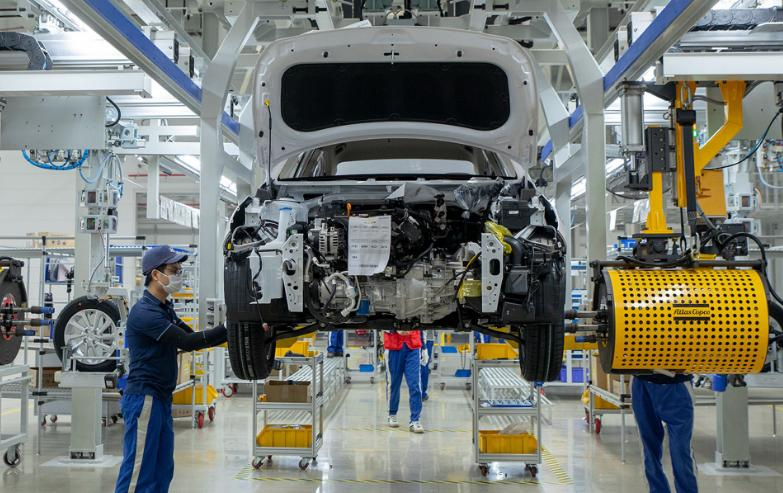
Role of industry in the economy
Industry plays an extremely important role in the economy of each country, contributing to promoting socio-economic development, improving people's lives. Here are some of the main reasons:
1. Creating products and services:
- Industry provides essential goods for human life, from simple items such as clothes, household appliances to high-tech products such as machinery, equipment, means of transport, etc.
- Industrial products meet the increasing demand of the market, promoting domestic and foreign trade.
- The production of industrial goods helps reduce dependence on imports, contributing to ensuring national economic security.
2. Promoting GDP growth:
- Industry contributes a large proportion to the country's GDP, usually accounting for 20% to 40% depending on the level of development.
- Industrial production creates high added value, helping to increase income for workers and businesses.
- The industry also contributes an important source of tax revenue to the state budget, contributing to investment in other areas such as education, health, national security, etc.
3. Job creation:
- Industry is the main source of employment for workers
- Employment in the industry helps people have a stable income, improve their lives and contribute to reducing social evils.
- The industry also attracts workers from other professions, contributing to a reasonable distribution of labor in the economy.
4. Promoting science and technology:
- Industry is where scientific and technological achievements are applied to production, contributing to promoting technological innovation.
- Industrial enterprises always have a need to research and develop new technologies to improve labor productivity, product quality and reduce production costs.
- The application of science and technology to industrial production helps improve economic efficiency and increase product competitiveness in the international market.
5. Contribute to environmental protection:
- Modern industry increasingly focuses on environmental protection by applying green production technologies, minimizing environmental pollution.
- Industrial enterprises are also encouraged to use renewable energy, save energy and treat industrial waste scientifically.
- The development of sustainable industry contributes to protecting the living environment for people and future generations.
The role of industry in society
Industry contributes to promoting development and improving the quality of human life. Here are some typical roles:
1. Improving material and spiritual life:
- Providing diverse and rich goods and services: meeting people's increasing material and spiritual needs.
- Creating essential products: such as food, clothing, housing, means of transport, etc., helping to improve living conditions and improve the quality of life of people.
- Developing service industries: such as tourism, entertainment, healthcare, etc.
2. Reducing social evils:
- Creating the main source of employment for millions of workers around the world, helping them have stable income and improve their lives.
- Reducing social evils: because people have stable jobs and guaranteed income.
- Promoting reasonable division of labor: in society, contributing to improving production efficiency.
3. Enhancing the national position in the international arena:
- Developing a strong industry: helping the country have a high position in the international arena, strengthening economic and defense strength.
- Expanding export markets: contributing to increasing foreign exchange income for the country and international economic integration.
- Enhancing national prestige and brand: in the international market.

Application of technology in current industries
Technology plays an increasingly important role in industries, helping to improve productivity, product quality, reduce production costs and protect the environment.
Some examples of the role and application of technology in typical industries:
1. Manufacturing industry:
- Industrial robots are used to perform dangerous, repetitive or high-precision tasks, helping to reduce work accidents and improve production efficiency.
- CNC machines are used to process complex parts with high precision, saving time and materials.
- Automation systems are used to monitor and control production processes, helping to improve efficiency and product quality.
- 3D printing technology is used to create product prototypes quickly and cost-effectively, helping businesses test and improve products before launching them on the market.
2. Food Industry:
- Automated food processing machinery helps improve efficiency and food safety.
- Modern food preservation systems help extend food preservation time, minimize spoilage and waste.
- Automatic conveyor systems are an essential part of many food processing plants, helping to transport raw materials, finished products and other products efficiently and safely.
- Advanced packaging technology helps to protect food better and increase shelf life.
- Traceability technology helps to track the origin of food, ensuring food safety for consumers.
3. Textile industry:
- Automatic sewing machines help improve production efficiency and reduce sewing errors.
- Computer-based fashion design systems help designers create new designs faster and more efficiently.
- Advanced textile technologies such as nano-weaving and smart weaving help create high-quality and superior-featured textile products.
- Digital printing technology helps create patterns on fabrics with high precision and sharpness.
4. Energy industry:
- Renewable energy such as solar energy, wind energy, and water energy are increasingly being used to replace fossil fuels, helping to protect the environment and minimize climate change.
- Smart grid systems help optimize energy use and minimize power loss.
- Energy storage technology helps store excess renewable energy and use it when needed, helping to improve the efficiency of renewable energy use.
- Energy-saving technologies such as LED bulbs and electric vehicles are being increasingly applied to reduce energy consumption.
5. Service industry:
- Artificial intelligence (AI) is used to provide automated customer service, analyze customer data, and personalize customer experiences.
- The Internet of Things (IoT) is used to collect data about customers and the surrounding environment, helping businesses provide better services and meet customer needs more effectively.
- Mobile technology makes it easy for customers to access services and interact with businesses anytime, anywhere.
- Mobile payments help customers pay more quickly and conveniently.
Conclusion
The industry plays an extremely important role in the socio-economic development of each country, a solid pillar for prosperous development and improving people's lives. Therefore, solutions are needed to develop the industry sustainably, ensuring harmony between economic, social and environmental benefits.
Những câu hỏi thường gặp


