


What is a private warehouse? The difference between private and public warehouses
Private warehousing allows them to customize their warehouse layout to their specific needs and ensures proper handling, storage, and protection of goods.
In today’s competitive business landscape, efficient warehouse management is critical to success. As companies look to optimize their logistics operations, many are considering private and public warehousing as a viable solution.
We’ll explore the pros and cons of private warehousing, delve into their benefits and challenges, and determine which businesses will benefit the most from implementing this storage strategy. Whether you’re a small startup or an established business, understanding the advantages of private warehousing can help streamline your processes and increase your profits.
We’ll explore the pros and cons of private warehousing, delve into their benefits and challenges, and determine which businesses will benefit the most from implementing this storage strategy. Whether you’re a small startup or an established business, understanding the advantages of private warehousing can help streamline your processes and increase your profits.
What is a Private Warehouse?
Private warehouses, also known as private warehouses, are typically used by large retailers to store their extra inventory in large quantities, especially during peak seasons. Private warehouses require a large investment on the part of the owner. But, in the long run, they can prove to be very cost-effective.
The role of private warehousing is primarily to control inventory, save costs through efficient logistics management, and have direct control over product quality and handling.
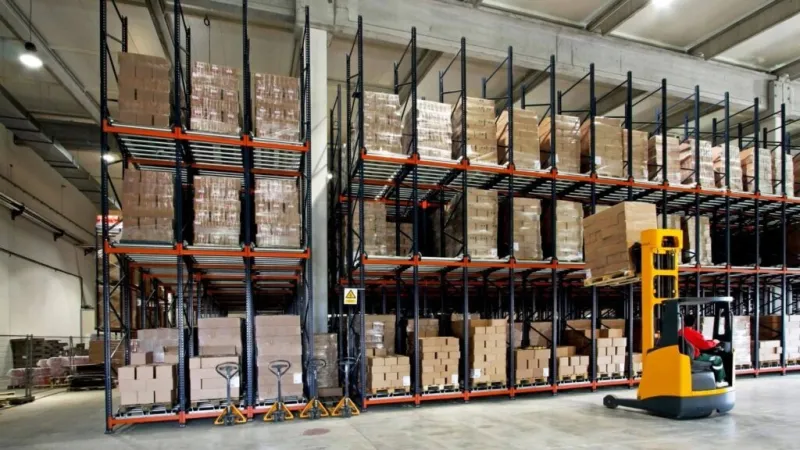
Advantages of private warehousing
Private warehousing offers efficient inventory management, reduced transportation costs, better security, flexibility in customization, and branding opportunities.
- Efficient Inventory Management
Efficient inventory management is a key advantage of private warehousing, allowing businesses to maintain optimal control over inventory levels and storage arrangements.
For example, a company operating in the perishable goods industry can benefit from this efficiency by using private warehousing to consistently rotate inventory based on expiration dates. Rotating inventory helps to minimize waste and ensures that customers receive fresh products every time they make a purchase.
Efficient inventory management also enables better supply chain management and logistics optimization – allowing businesses to streamline operations and improve customer satisfaction.
- Reduced transportation costs
Private warehousing can reduce transportation costs for companies that need to store products closer to their customers. By strategically placing public and private warehouses geographically dispersed in key areas, businesses can shorten the distance between products and consumers with lower transportation costs for multiple customers.
For example, a company like Apple, with global operations and a large customer base, could benefit from having its own warehouses.
These facilities would allow them to ship directly from nearby locations, eliminating long-distance transportation costs and customs clearance delays, and reducing overall shipping times while ensuring faster customer access.
- More Security
One of the most important advantages of private warehouses is better security. Private warehouses are equipped with modern security features to store goods to avoid theft, damage or any other form of loss. In addition to these measures, private warehouses are often located in secure areas with minimal risk of crime.
- More Flexibility
Private warehouses offer businesses more flexibility than public warehouse options. Companies have the freedom to customize their space to suit their specific storage and distribution needs. Businesses can design the warehouse layout, deploy specialized equipment and control workflow without limits.
Furthermore, owning a private warehouse allows companies to expand and contract based on business needs. They can lease out unused portions of the facility until needed again or use it for other purposes.
Private warehousing gives businesses greater ownership of their logistics operations, allowing companies to change direction quickly when needed. It reduces overall costs and improves service delivery largely due to the extensive supply chain visibility provided by better inventory management systems.
- Branding Opportunities
A significant advantage of private warehousing is the branding opportunities it offers. With complete control over logistics and every aspect of the brand experience, businesses can tailor their storage and shipping processes to meet their needs.
Private warehousing allows for customization of operations that are consistent with the company’s image and identity. Companies can own every step of the supply chain, delivering an enhanced customer experience that aligns with the overall brand objectives.
For example, a clothing retailer might build a high-tech warehouse equipped with conveyor belts and automated systems to handle complex items like garments with sensors or RFID tags that enable robotic arms to quickly sort them after they arrive on pallets from overseas suppliers.
- Excess Space Can Be Leased
Another significant advantage of private warehousing is the leasing of excess space. Businesses can generate additional income by leasing unused portions of their entire warehouse to other companies or individuals in need of storage solutions.
Private warehousing provides a flexible solution for businesses with changing storage needs, allowing them to lease space as needed and adjust their operations accordingly. Additionally, this feature provides an opportunity for small businesses or startups to enter the market without investing heavily in property management or construction costs.
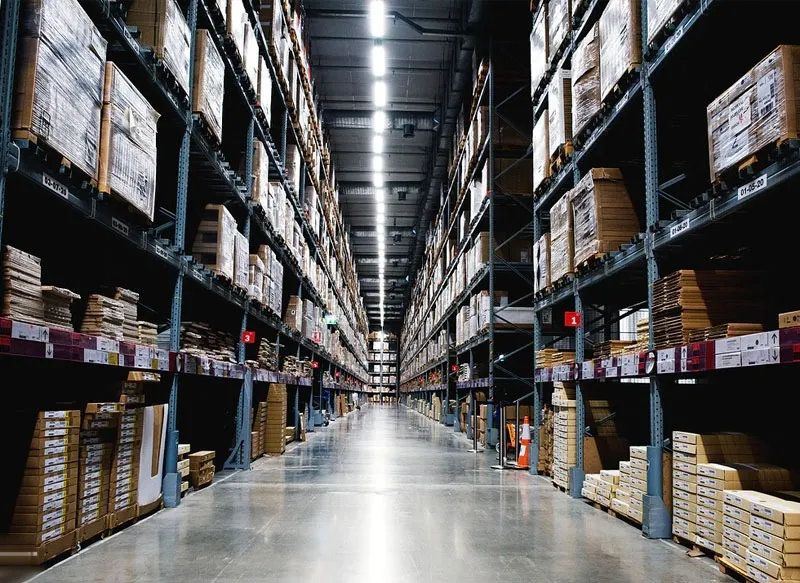
Disadvantages of Private warehousing
Private warehousing has challenges such as higher cost of ownership, maintenance/upkeep responsibilities, limited flexibility to adapt to changing needs, and significant capital investment in construction and deployment.
- High Cost
Operating a private warehouse can be significantly expensive. The costs associated with a private warehouse include design, operations, maintenance, and storage if turnover slows. Building or purchasing a private warehouse can involve significant capital expenditures and ongoing operating costs.
However, owning a private warehouse also has the benefit of greater control and customization to manage one’s supply chain. Additionally, leasing excess space in a private warehouse can create additional revenue streams for the owner.
- Maintenance and upkeep
Maintaining a private warehouse can be a challenge. Since warehouses are often large and complex structures that require constant monitoring and repairs, these costs can quickly add up. Warehouse owners must ensure that the facility is always compliant with safety equipment regulations, safety training, and industry standards.
However, there are benefits to ensuring a well-maintained warehouse. For example, a well-maintained warehouse can improve inventory management by providing accurate tracking and forecasting capabilities.
It also provides better security for your products because you have complete control over access to your facility compared to public warehouses where other companies store their goods.
Maintaining a private warehouse can be expensive at times, but it will prove to be worth it when things go smoothly, making it a great long-term investment for businesses looking to streamline their operations while ensuring quality service at all times.
- Limited Flexibility
One of the challenges associated with private warehousing is limited flexibility. Private warehousing can limit a company’s ability to relocate if needed, which can be problematic for businesses that need to expand operations or move closer to their customer base.
Most warehouse leases are for three or five years, further limiting a company’s flexibility when it comes to securing space. Private warehouses are often just cost centers and can have difficulty justifying additional space and labor costs.
- Construction and Implementation Investment
One of the biggest challenges with private warehousing is the initial construction and implementation investment. Building a private warehouse from scratch requires a large amount of capital, time, and effort for planning, design, and construction. Land acquisition and permitting costs can also add up quickly.
The many benefits of having a private warehouse can outweigh these initial costs in the long run. Private warehouses provide greater control over inventory management and distribution networks while reducing transportation costs over time.
.jpg "Private warehousing")
Private vs. Public Warehouse Differences
Before deciding whether to choose a private or public warehouse, one should know the differences between the two to make a better decision. Public and private warehouses may seem similar in terms of features at the surface level. However, when the features are analyzed in depth, the differences become more apparent.
- Warehouse Management System:
- A warehouse management system (WMS) is used to manage inventory at a public warehouse. The system can be customized to track multiple customers simultaneously.
- In a private warehouse, inventory management is done with the help of an inventory management system that allows companies to keep track of their product inventory. Due to its simple interface, inventory management systems are not suitable for public warehouses in terms of managing complex and large-scale workflows.
- Capital expenditure:
- When a business looks to operate a private warehouse, capital is required to purchase, repair, and maintain inventory. Safety equipment, storage space, forklifts, and other machinery must be purchased for the warehouse to function optimally. Moreover, the company will have to hire and maintain warehouse staff to stock, sort, load, and transport inventory.
- Whereas, all the facilities and services required for a warehouse to function at its maximum are available in a public warehouse. Therefore, there is no capital expenditure required if a company decides to outsource their services, ensuring that money is not diverted from other essential parts of an organization.
- Relocation:
- Owning and operating a private warehouse will limit your company’s ability to relocate. Selling a private warehouse will require significant time and effort.
- Public warehousing offers businesses a great deal of flexibility, as standard lease agreements require a 30 or 60 day notice period prior to moving. Expanding to a new area or geographic location can be easily accomplished through public warehousing facilities.
- Property Taxes:
- Property taxes are a significant expense for businesses operating private warehouses. Failure to pay taxes on time will result in fines and penalties, which will increase the cost of doing so. Delays can compound the problem, leading to significant losses during times of acute financial stress.
- Public warehouses for businesses are exempt from paying VAT.
- Warehouse management:
- In private warehouses, the organization that owns the warehouse is responsible for inventory management, supervision of the storage facility, packaging and shipping of inventory. Employees must be recruited, trained and supervised to maintain quality standards.
- Public warehouses provide specific services as part of the lease agreement.
Conclusion
Whether to use public or private warehouses depends largely on the size, nature of the business, the demand cycle of the company, and the funds and resources available to the company. Large corporations that rely heavily on the distribution and storage of their inventory should opt for private warehouses. Conversely, e-commerce businesses and large retail stores can benefit from private warehouses, which allow the organization to control warehouse operations and distribution costs. Private warehouses will ultimately allow such companies to increase profits and efficiency through economies of scale.
Những câu hỏi thường gặp


