


Energy-Efficient Conveyor Systems: Strategies and Tips for Sustainable Operations
For manufacturing facilities or processing plants, conveyor systems play a significant role in total energy consumption and therefore there is an increasing need to adopt energy saving strategies that support sustainable measures while reducing costs.
As businesses around the world strive to reduce their environmental impact and improve operational efficiency, implementing energy-saving measures across all functional areas has become increasingly important.
In this comprehensive guide, we will explore various energy-saving design, maintenance, and operation strategies for conveyor systems, helping you implement sustainable practices in your facility. Our goal is to equip you with the knowledge, tools, and insights needed to optimize your conveyor system’s energy consumption, reduce your environmental impact, and cut operating costs at the same time.
By focusing on energy-saving design principles, preventative maintenance, smart operating strategies, and the latest conveyor technologies, you can turn your facility’s conveyor system into a model of sustainability and cost-effectiveness. As experts in conveyor solutions, we are committed to helping you on your journey to greener and more efficient operations.
In this comprehensive guide, we will explore various energy-saving design, maintenance, and operation strategies for conveyor systems, helping you implement sustainable practices in your facility. Our goal is to equip you with the knowledge, tools, and insights needed to optimize your conveyor system’s energy consumption, reduce your environmental impact, and cut operating costs at the same time.
By focusing on energy-saving design principles, preventative maintenance, smart operating strategies, and the latest conveyor technologies, you can turn your facility’s conveyor system into a model of sustainability and cost-effectiveness. As experts in conveyor solutions, we are committed to helping you on your journey to greener and more efficient operations.
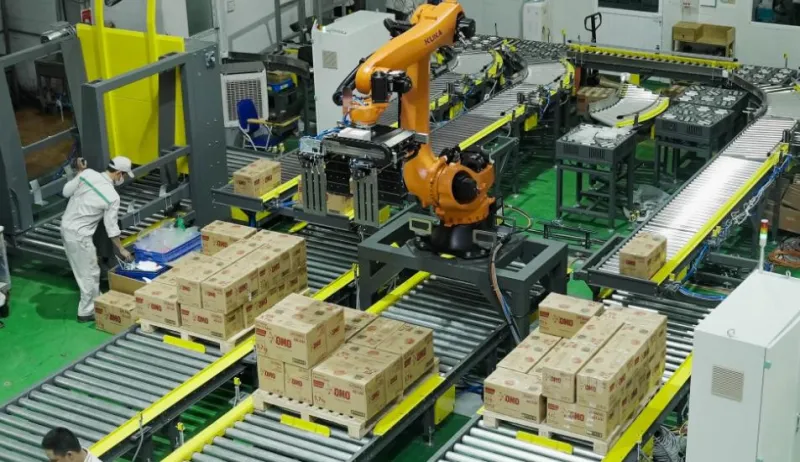
Energy-efficient Conveyor Design Principles
When planning or upgrading a conveyor system, incorporating energy-efficient design principles can significantly reduce overall energy consumption, contributing to long-term sustainability and cost savings. Some key design aspects to consider include:
1. Belt Selection
Choose conveyor belts with low rolling resistance as they require less energy to operate than traditional rubber conveyor belts. Furthermore, choose conveyor belts with the appropriate tensile strength to reduce elongation, thus minimizing energy waste.
2. Optimize System Layout
Design the conveyor system layout to reduce the number of turns and the distance between turns and inclines. A streamlined system will consume less energy while also reducing wear and tear on the conveyor.
3. Drive System Efficiency
Choose energy-efficient motors and drives for your conveyor system, including variable speed drives (VSDs) and high-efficiency motors. These components are designed to minimize energy consumption during operation.
4. Conveyor Speed Control
Consider implementing intelligent or on-demand speed control systems to adjust conveyor speeds based on load and operating requirements. This strategy ensures minimal energy use while maintaining optimal productivity.
.jpeg "Energy-efficient Conveyor Design Principles")
Preventative Conveyor Maintenance for Energy Savings
Regular preventive maintenance is essential to maintaining an energy-efficient conveyor system. By proactively addressing potential problems, you can minimize energy waste and reduce the risk of more significant, energy-consuming problems developing. Key maintenance activities include:
1. Check Belt Alignment
Schedule regular conveyor alignment checks to ensure the conveyor runs straight and true. Improper alignment increases friction, leading to higher energy consumption.
2. Lubrication and Cleaning
Regularly lubricate the drive system, rollers, and other critical components to reduce friction and minimize energy requirements. Additionally, keep the conveyor system clean to prevent debris buildup that can cause inefficiencies and require more energy to operate.
3. Check Guide Wheels and Pulleys
Regularly inspect guide wheels and pulleys for signs of wear, damage, or inefficiency. These components play a critical role in the smooth operation of the conveyor and can be a significant contributor to energy consumption if not operating optimally.
Conveyor Operation Strategies for Energy Efficiency
In addition to design and maintenance, smart operational strategies can optimize the energy efficiency of your conveyor system. Some good practices to implement include:
1. Load Balancing
Distribute loads evenly across the conveyor to avoid unnecessary stress on drive components. This strategy reduces energy consumption while preserving the life of the conveyor and motor.
2. Use Gravity
When possible, incorporate gravity conveyors into your system layout to utilize natural forces to move product without requiring additional energy input. This approach is especially effective for facilities with inclines or slopes.
3. Schedule Downtime
Schedule conveyor system downtime during off-peak hours, reducing the need for energy-intensive startup. This tactic also allows maintenance to be performed during low-energy periods.
Advanced Conveyor Technology for Ultimate Energy Savings
New and innovative conveyor technologies are constantly emerging, offering opportunities to improve energy efficiency and sustainability. Explore these options to stay ahead of the curve:
1. Regenerative Motors
Regenerative drive systems have the ability to convert excess energy from the conveyor system back into usable energy for other areas of your facility, resulting in significant energy savings.
2. Air-assisted conveyors
Consider air-assisted conveyor systems that use air cushions to support the conveyor, significantly reducing friction. These systems are known for their energy efficiency and, as an added bonus, often require less maintenance than traditional conveyors.
Conclusion
Achieving an energy-efficient conveyor system is within reach when you consider design, maintenance, and operations strategies with sustainability and cost savings in mind. By focusing on these areas, you not only reduce your facility’s environmental impact, but also improve your overall operational efficiency and competitiveness in the long term. By staying up to date with the latest conveyor technologies and best practices, you can continue to optimize your conveyor system investment and drive continuous sustainable improvements.
Unlock the potential of your conveyor system for greater energy efficiency, sustainability, and cost savings. Contact Intech Group today to discuss your facility’s needs and learn how our expertise and industry-leading solutions can help you achieve optimized conveyor operations.
Những câu hỏi thường gặp


