


Control risks when using a conveyor system
Conveyor systems top the list of equipment that poses many safety risks if not used correctly.
Conveyor systems are an integral part of a complete production line. Conveyor system with much convenience and flexibility in transporting many heavy and bulky materials. However, conveyor systems also top the list of equipment that poses many safety risks if not used correctly.

Conveyors are useful in moving materials and supplies within the facility. However, they are a common cause of injury to humans. Below is a list of methods that will help keep you and your co-workers safe.
- Conveyor belts have many features, including clamping points that can catch on clothing or people and cause serious injury.
- A limb caught in a compression point can be severely damaged or even severed.
- Industrial conveyors are not designed for humans, so you should never walk on them.
- Check your conveyor controls to make sure no staff member misuses, modifies or disconnects them.
- The controls should be easy to read and use and easy to access.
- Place emergency stops in conspicuous and easily accessible locations.
- Conveyor belts can catch loose clothing or long hair, resulting in serious injury.
- Make sure long hair is tied back or tied under a cap.
- Do not wear bracelets, rings, watches or other jewelry.
- Avoid wearing baggy clothes; Take off your tie or tuck them into your shirt.
- Do not operate the conveyor if the guards are not securely attached.
- Conveyors contain gears, chains, belts and other moving parts that can be dangerous if exposed.
- Personnel must not bypass, remove or change conveyor guards.
- The protective openings must be small enough to prevent workers from entering the danger zone.
- The best way to remedy an unsafe situation is to alert the person in charge in the area.
- Make sure you know who the contact is and how to reach that person.
- Training on safety issues and when to report them should be provided to all employees.
Failure to do so will result in life-threatening injury to the employee
- Ensure the safety of the conveyor system prior to maintenance or repair by following appropriate procedures.
- Procedure to turn on / off the device, not powered up during maintenance or repair.
- Conveyor operators must be appropriately trained to perform these procedures.
This ensures technician safety and optimum conveyor performance
- Material handling equipment can be dangerous to people who do not understand how to work on it safely.
- When something needs to be fixed, contact your trained maintainer.
- Only personnel trained to operate and maintain conveyors should engage in conveyor repair
As with any industrial equipment, conveyor belts have the potential to cause serious injury if not protected to established standards. However, it is equally important that employees working around conveyor systems be trained in the potential hazards. Share these 7 conveyor safety moms with your employees so they know what to watch out for the next time they work, near or around a conveyor system. Constant vigilance and a protected conveyor belt are vital to keeping your warehouse and facility safe.
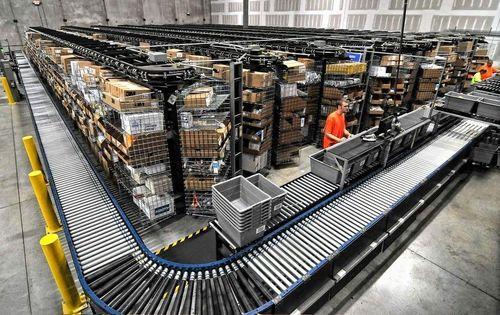
7 Conveyor safety tips to reduce risks when using a conveyor system
Conveyors are useful in moving materials and supplies within the facility. However, they are a common cause of injury to humans. Below is a list of methods that will help keep you and your co-workers safe.
1 - Do not sit, stand or walk on the conveyor belt
- Conveyor belts have many features, including clamping points that can catch on clothing or people and cause serious injury.
- A limb caught in a compression point can be severely damaged or even severed.
- Industrial conveyors are not designed for humans, so you should never walk on them.
2 - Make sure that the conveyor controls are working correctly
- Check your conveyor controls to make sure no staff member misuses, modifies or disconnects them.
- The controls should be easy to read and use and easy to access.
- Place emergency stops in conspicuous and easily accessible locations.
3 - Storage clothes, jewelry and other loose items
- Conveyor belts can catch loose clothing or long hair, resulting in serious injury.
- Make sure long hair is tied back or tied under a cap.
- Do not wear bracelets, rings, watches or other jewelry.
- Avoid wearing baggy clothes; Take off your tie or tuck them into your shirt.
4. Check that all conveyor guards are in place
- Do not operate the conveyor if the guards are not securely attached.
- Conveyors contain gears, chains, belts and other moving parts that can be dangerous if exposed.
- Personnel must not bypass, remove or change conveyor guards.
- The protective openings must be small enough to prevent workers from entering the danger zone.
5. Alert management of any potential safety or operational concerns
- The best way to remedy an unsafe situation is to alert the person in charge in the area.
- Make sure you know who the contact is and how to reach that person.
- Training on safety issues and when to report them should be provided to all employees.
6. Follow the conveyor on/off procedure
Failure to do so will result in life-threatening injury to the employee
- Ensure the safety of the conveyor system prior to maintenance or repair by following appropriate procedures.
- Procedure to turn on / off the device, not powered up during maintenance or repair.
- Conveyor operators must be appropriately trained to perform these procedures.
7 - Only authorized persons are allowed to operate or maintain the conveyor belt
This ensures technician safety and optimum conveyor performance
- Material handling equipment can be dangerous to people who do not understand how to work on it safely.
- When something needs to be fixed, contact your trained maintainer.
- Only personnel trained to operate and maintain conveyors should engage in conveyor repair
Epilogue
As with any industrial equipment, conveyor belts have the potential to cause serious injury if not protected to established standards. However, it is equally important that employees working around conveyor systems be trained in the potential hazards. Share these 7 conveyor safety moms with your employees so they know what to watch out for the next time they work, near or around a conveyor system. Constant vigilance and a protected conveyor belt are vital to keeping your warehouse and facility safe.
Tags
tech news Control risks when using a conveyor system control risks when using a conveyor system
Những câu hỏi thường gặp


