


Automated warehouses bring many benefits to workers
Automation can run in the warehouse management system and robots work to make employees" work easier and more efficient.
Many companies are turning to warehouse automation to streamline processes, increase efficiency, and reduce human error. But what exactly is warehouse automation and how can companies benefit from it?
Automated warehousing is the process of automating the movement of inventory in, in, and out of warehouses for customers with minimal human assistance. As part of an automation project, a business can eliminate labor-intensive tasks associated with repetitive physical work as well as manual data entry and analysis.
For example, a warehouse worker might load an automated mobile robot with heavy packages. Robots move inventory from one end of the warehouse to the shipping area, and the software records that inventory movement, keeping all records up to date. These robots improve the efficiency, speed, reliability and accuracy of this task.
But warehouse automation does not require physical or robotic automation, and in many cases simply refers to the use of software to replace manual tasks. However, this scenario illustrates how robots and humans work together to complete repetitive tasks while minimizing fatigue and injury.

- Contrary to popular opinion, the use of robots and automated warehouse systems doesn't necessarily mean that they have taken over all of your warehouse work. Automation can run in the warehouse management system and robots work to make employees' work easier and more efficient.
For example, automated forklifts and trolleys eliminate the need to travel between teams and workers are using this technology in tandem with their current job duties. It continues and persists through, packing, labeling, transporting, and distributing the final product through the company's logistics network.
- Automation systems also allow companies to update the configuration of their warehouse management systems and reduce costs associated with testing and implementing new systems. As a result, companies have more money to invest in employees. In fact, many online retailers today offer on-demand employee benefits, like tuition assistance, wellness and wellness programs, better schedules, and even paychecks. higher.
Robotics and automation are the new companions for retail workers, and traditional workers are turning to warehouse workers at a faster rate than ever. Think about how robotics and automation can help you work faster and more efficiently.
Warehouse automation varies from relatively simple to quite complex. Basic automation uses planning, machines, and facilities to reduce repetitive tasks. Advanced systems that leverage artificial intelligence and robotics.
Automation can start with a warehouse management system (WMS), data collection, and inventory control. While warehouse automation comes with significant upfront costs, there are many benefits, from improved operations to reduced human error. The future of warehouse automation lies in robotics and artificial intelligence (AI) integration on the warehouse floor.
Deciding when to automate your warehouse depends on many factors. You will need to evaluate processes and procedures, test supply chains, hire in-house experts, and identify gaps in current technology and future business goals.
8 questions to decide if it's time to automate your warehouse. Answer these questions before undertaking warehouse automation projects:
- Are your customer orders delayed due to a limited workforce?
- Are your existing warehouse processes and procedures labor intensive?
- Is your order fulfillment capacity declining?
- Is your inventory number incorrect?
- Are you still using old warehouse management software or manual inventory management tools like spreadsheets?
- Does customer satisfaction data point to supply chain problems?
- Do you have to increase/decrease your workforce to meet fluctuating demand?
- Do you have support from key stakeholders?
Warehouse automation using inventory tracking and warehouse management systems has enormous potential and will be crucial to the evolution of modern warehouse management. Moving products from one place to another with as little human contact as possible helps create a supply chain capable of quick, seamless order fulfillment. Investing in these advanced machines and equipment will help companies continue to meet customer expectations that seem to be growing by the day.
What is Automated Warehouse?
Automated warehousing is the process of automating the movement of inventory in, in, and out of warehouses for customers with minimal human assistance. As part of an automation project, a business can eliminate labor-intensive tasks associated with repetitive physical work as well as manual data entry and analysis.
For example, a warehouse worker might load an automated mobile robot with heavy packages. Robots move inventory from one end of the warehouse to the shipping area, and the software records that inventory movement, keeping all records up to date. These robots improve the efficiency, speed, reliability and accuracy of this task.
But warehouse automation does not require physical or robotic automation, and in many cases simply refers to the use of software to replace manual tasks. However, this scenario illustrates how robots and humans work together to complete repetitive tasks while minimizing fatigue and injury.
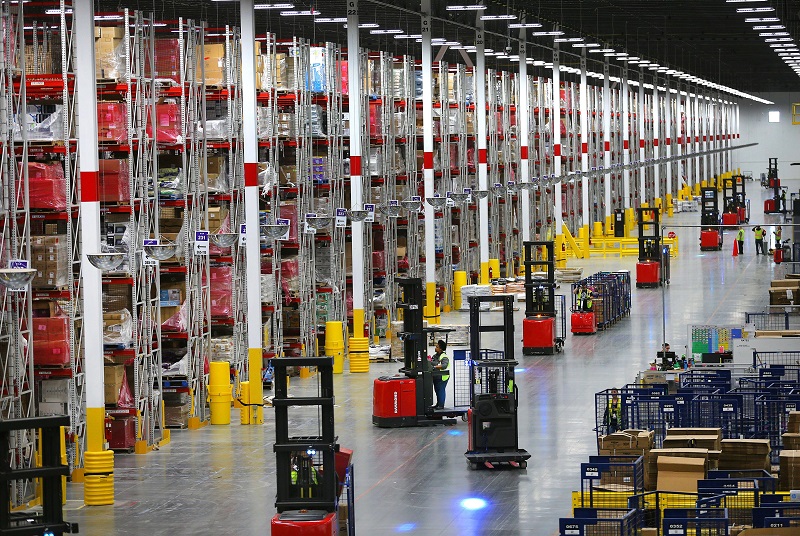
Benefits of automated warehouses for workers
- Contrary to popular opinion, the use of robots and automated warehouse systems doesn't necessarily mean that they have taken over all of your warehouse work. Automation can run in the warehouse management system and robots work to make employees' work easier and more efficient.
For example, automated forklifts and trolleys eliminate the need to travel between teams and workers are using this technology in tandem with their current job duties. It continues and persists through, packing, labeling, transporting, and distributing the final product through the company's logistics network.
- Automation systems also allow companies to update the configuration of their warehouse management systems and reduce costs associated with testing and implementing new systems. As a result, companies have more money to invest in employees. In fact, many online retailers today offer on-demand employee benefits, like tuition assistance, wellness and wellness programs, better schedules, and even paychecks. higher.
Robotics and automation are the new companions for retail workers, and traditional workers are turning to warehouse workers at a faster rate than ever. Think about how robotics and automation can help you work faster and more efficiently.
Warehouse automation items
Warehouse automation varies from relatively simple to quite complex. Basic automation uses planning, machines, and facilities to reduce repetitive tasks. Advanced systems that leverage artificial intelligence and robotics.
- Basic warehouse automation:
This type of automation refers to simple technology that helps people perform more manual tasks. For example, an automated conveyor belt moves inventory from point A to point B.- Automating warehouse system:
This type of system uses software, computers, robotics, and data analytics to automate tasks and procedures. For example, an inventory management system would look at all the orders that need to be filled in a day and ask the user to select similar items to fulfill all of those orders at once so that they Do not go back and forth to the warehouse many times.- Automation of mechanized warehouses:
This type of warehouse automation uses robotic equipment and systems to assist humans in performing warehouse tasks and procedures. Mobile shelving robots automatically lift product shelves and deliver them to pickers for picking and sorting.- Advanced warehouse automation:
Advanced warehouse automation that combines mechanized warehouse robots and automation systems can replace labor-intensive workflows. For example, a fleet of robotic forklifts uses advanced AI, cameras and sensors to navigate the warehouse and communicate the location of each forklift with an online tracking portal.Automation can start with a warehouse management system (WMS), data collection, and inventory control. While warehouse automation comes with significant upfront costs, there are many benefits, from improved operations to reduced human error. The future of warehouse automation lies in robotics and artificial intelligence (AI) integration on the warehouse floor.
When to automate your warehouse?
Deciding when to automate your warehouse depends on many factors. You will need to evaluate processes and procedures, test supply chains, hire in-house experts, and identify gaps in current technology and future business goals.
8 questions to decide if it's time to automate your warehouse. Answer these questions before undertaking warehouse automation projects:
- Are your customer orders delayed due to a limited workforce?
- Are your existing warehouse processes and procedures labor intensive?
- Is your order fulfillment capacity declining?
- Is your inventory number incorrect?
- Are you still using old warehouse management software or manual inventory management tools like spreadsheets?
- Does customer satisfaction data point to supply chain problems?
- Do you have to increase/decrease your workforce to meet fluctuating demand?
- Do you have support from key stakeholders?
Deploying warehouse automation by software
Warehouse automation using inventory tracking and warehouse management systems has enormous potential and will be crucial to the evolution of modern warehouse management. Moving products from one place to another with as little human contact as possible helps create a supply chain capable of quick, seamless order fulfillment. Investing in these advanced machines and equipment will help companies continue to meet customer expectations that seem to be growing by the day.
Tags
tech news Automated warehouses bring many benefits to workers automated warehouses bring many benefits to workers
Những câu hỏi thường gặp


