


10 common types of warehouses and their functions
Warehouses are essential for efficient receiving, storing and shipping of products, especially in the context of e-commerce and retail distribution.
Warehouses are the unsung heroes of the supply chain, silently facilitating the movement of goods from manufacturers to consumers. However, not all warehouses are created equal. They come in many different types, each designed to meet specific needs and industries. In this blog, we will explore the main types of warehouses, their differences, and the factors that influence their selection.
Warehouses can be classified into several main types, each designed to meet specific requirements.
Here are 10 common types:
Warehouses can be classified into several main types, each designed to meet specific requirements.
Here are 10 common types:
1. Distribution Centers
Distribution centers are centers for the distribution of goods. They are strategically located to reduce transportation costs and delivery times. The focus here is on receiving, sorting, and shipping products efficiently. These warehouses are vital for businesses that want to reach a large market quickly.
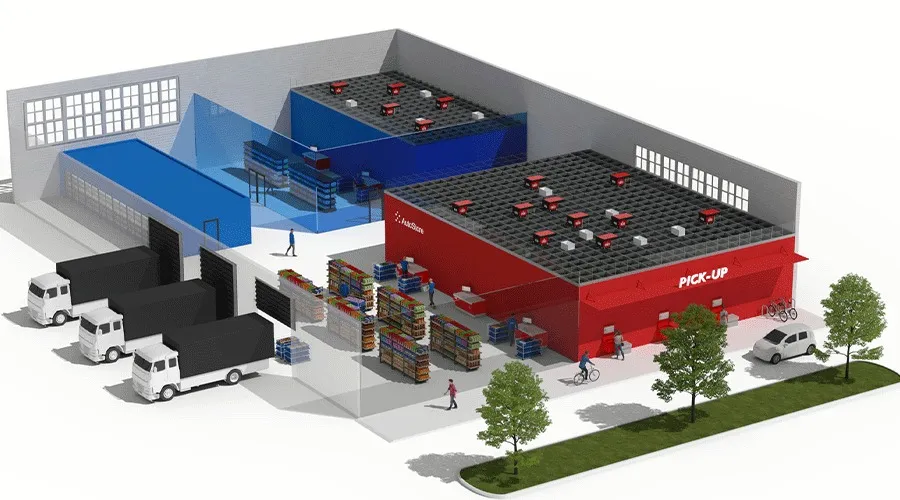
2. Fulfillment Centers
Fulfillment centers are the backbone of e-commerce. They specialize in picking, packing, and shipping individual customer orders. Speed and accuracy are paramount in these facilities, and they often incorporate advanced automation and robotics to meet the needs of fast-paced online shopping.

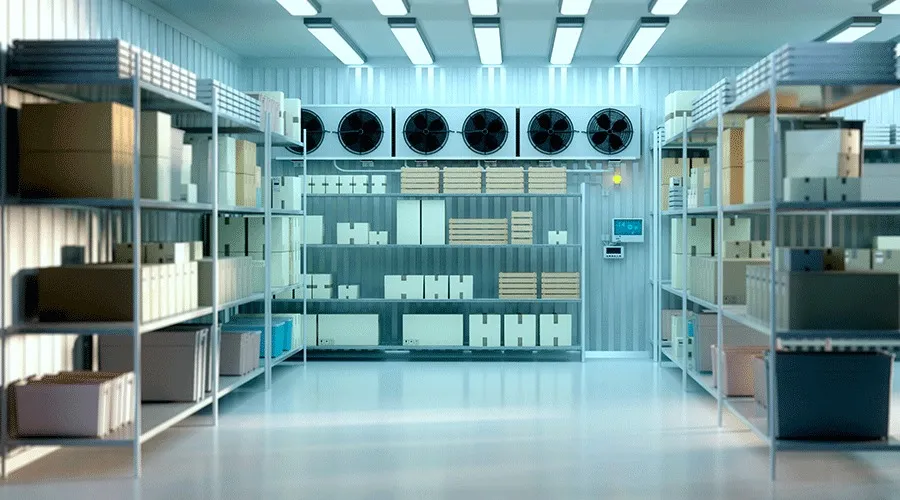
3. Cold Storage
Cold storage is designed to store perishable goods at low temperatures. They play a vital role in the food and pharmaceutical industries, ensuring products stay fresh and safe for consumption. Temperature and humidity control are essential in these warehouses.
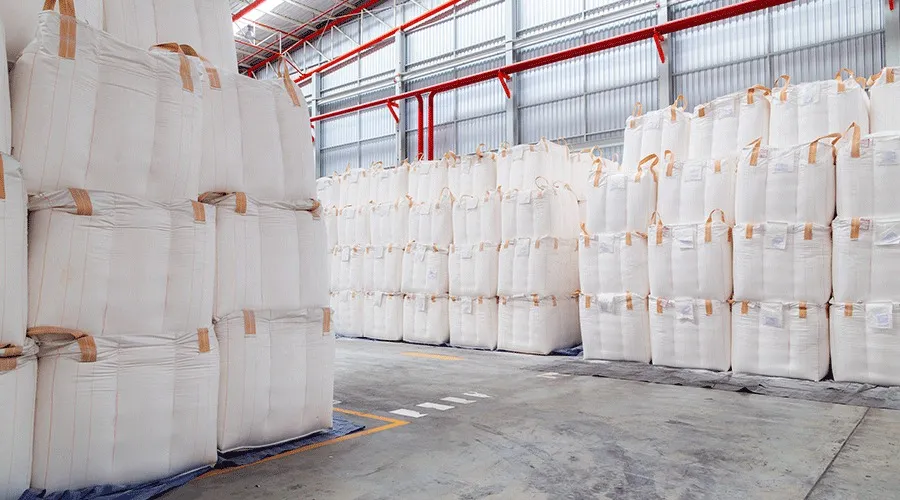
4. Bulk Storage
Bulk storage is optimized for storing large quantities of a single product, such as grains, chemicals, or raw materials. These warehouses are often located near manufacturing facilities and are cost-effective for managing bulk cargo.
5. Cross-Docking and Transloading Centers
Cross-docking and transloading centers focus on efficiently transferring goods from one mode of transportation to another. These warehouses minimize storage time and are important for businesses looking to streamline their supply chains and reduce storage costs. Here are the differences:
- Transportation facilities act as a transit point for goods, where products are quickly unloaded from incoming trucks and loaded onto outgoing trucks, reducing storage time.
- Transportation centers facilitate the transfer of goods between different modes of transportation, often connecting ships, trucks, or rail.
6. Public Warehouses
A public warehouse is a third-party storage facility or distribution center that provides storage and processing services to a variety of businesses and individuals for a fee. Unlike private warehouses, which are owned and operated by a single company for exclusive use, public warehouses provide shared storage space and services to multiple customers. These facilities are typically equipped with the infrastructure and expertise to handle a wide range of products and may provide services such as inventory management, order fulfillment, shipping, and more. Public warehouses are often used by businesses looking for flexible and cost-effective storage solutions without the commitment of owning and managing their own warehouse space.
7. Cooperative Warehouses
A cooperative warehouse is a storage facility that is jointly owned and operated by a group of companies or individuals, who share the costs and resources of the facility. This cooperative arrangement allows multiple businesses to cooperate and pool their resources to create a shared storage space that can be more cost-effective and efficient than if each entity operated its own warehouse. Cooperative warehouses are often used by smaller businesses or organizations that may not require a dedicated storage facility.
Members of a cooperative typically share the responsibility for management, maintenance, and operational tasks, allowing them to benefit from cost savings and increased storage and distribution capacity while still maintaining a degree of control and ownership over the warehouse.
8. Private Warehouses
A private warehouse is a storage facility that is owned and operated exclusively by a single company for its own use. Unlike a public warehouse, which provides storage services to multiple customers on a fee-for-service basis, a private warehouse is dedicated to the storage and distribution needs of a single company. These warehouses are designed and managed to meet the specific requirements of the owning company, allowing for greater control over operations, security, and inventory management. Private storage is typically used by large businesses or organizations that have consistent and significant storage needs, and they offer the advantage of complete customization and security.
9. Contract Storage
Contract warehousing is an option that combines aspects of both public and private warehousing. In this arrangement, a company contracts with a third-party logistics provider (3PL) to operate and manage a dedicated storage facility that specifically serves the needs of the contracting company. Contract warehousing offers the advantages of customization and reduced operational responsibilities while still providing some flexibility to the customer.
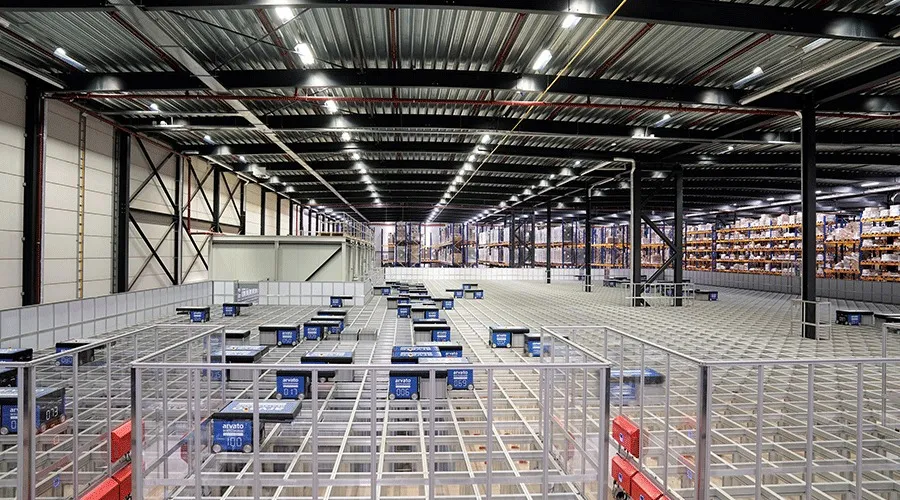
10. Bonded Warehouse
A bonded warehouse is a dedicated storage facility licensed and regulated by the government to store imported goods prior to payment of customs duties or taxes. These warehouses are often used to facilitate international trade and customs clearance.
How businesses choose the right warehouse type
Deciding on strategic location plays a key role in determining the type of warehouse a business needs. Proximity to suppliers, customers, and transportation infrastructure all influence this decision. A fresh produce distribution company may choose cold storage near farms, while a large e-commerce company may choose fulfillment centers strategically located to cover major metropolitan areas.
Furthermore, the nature of the goods being stored is a major factor. Perishable items require refrigeration, while small, high-demand items are best suited to fulfillment centers. Understanding the volume, size, and turnover of the goods is essential to making an informed choice.
- Cost Impact
Different types of warehouses have different cost structures. For example, highly automated fulfillment centers may require a significant initial investment but can result in long-term cost savings through improved efficiency.
- Environmental Concerns and Sustainability
Environmental sustainability is becoming increasingly important in warehouse design. Businesses are opting for eco-friendly measures, including energy-efficient lighting, insulation, and environmentally responsible material handling.
Conclusion
The world of warehousing is a fascinating one, where order accuracy, location, technology, and sustainability all come together to keep supply chains running efficiently. The choice of warehouse type depends on the specific needs of the business, and the future promises even more exciting developments as technology and environmental concerns continue to shape this important industry.
Những câu hỏi thường gặp


