

Rubber coated roller
- Mã sản phẩm: CL04
- Lượt xem: 2142
Rubber coated rollers are one of the types of rollers with stable structure, good performance and long operating time, rubber rollers are used as conveyor belts or roller sets in many production fields. This article will give you a comprehensive view of rubber rollers, from structure, classification, application to notes when choosing and using.
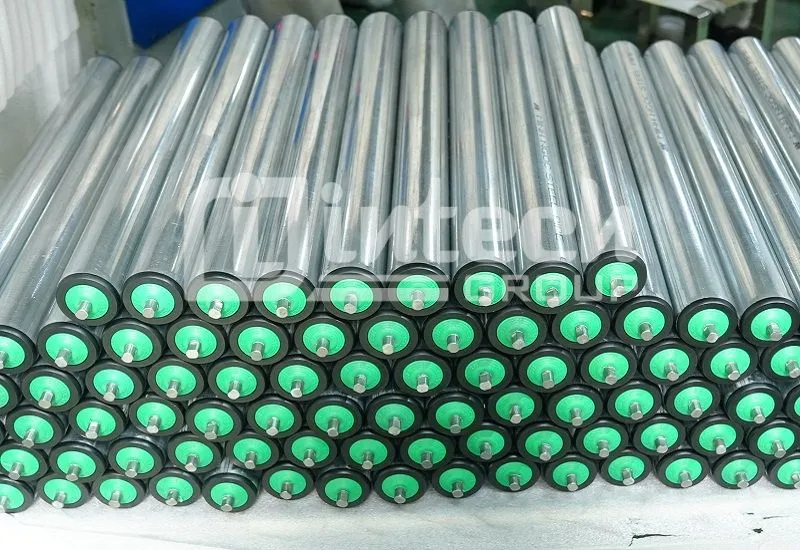
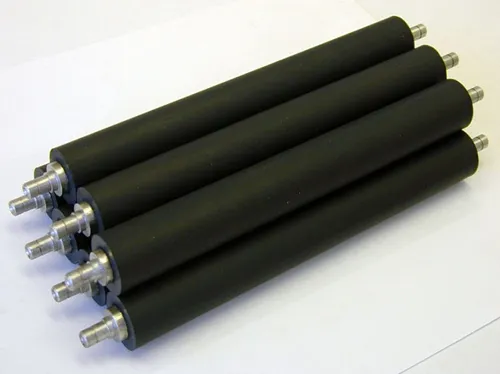
A rubber roller, also known as a rubber coated roller, is a cylindrical machine part consisting of a roller core, usually made of steel, aluminum alloy, PTFE or composite materials of different strengths, covered with rubber material.
Each type of roller is covered with rubber with a thickness of 2mm to 20mm. The roller design must ensure factors such as: concentricity, sturdy bearings, straight rollers, etc. and many other factors.

Its structure includes the following main components:
Rubber rollers are suitable for applications requiring high friction, noise reduction, material protection (food, paper, electronic components), and not too harsh environments.

The life of rubber rollers depends on many different factors, including:
Proper maintenance of rubber rollers is an important factor in extending the life, maintaining performance and avoiding damage during operation, especially in conveyor systems or production lines. Here are detailed instructions on how to maintain rubber rollers:
1. Periodic inspection: Depending on the usage environment, it is recommended to check weekly, monthly or after every 500-1000 hours of operation.
2. Clean the roller: After each shift or when dirt, grease sticks
.
3. Lubricate the bearing: Every 1-3 months, depending on the load and operating speed.
4. Repair or replace the rubber layer: When the rubber layer wears >50% of the original thickness, has deep tears or loses adhesion
The price of rubber rollers depends on many different factors such as size, shape, material, hardness, durability, application, and manufacturing unit. Rubber rollers with larger sizes, higher hardness and durability often have higher prices. In addition, rubber rollers manufactured by reputable and high-quality units often have higher prices than products of other units.
On the market, the price of rubber rollers can range from 30,000 VND for simple products to 200,000 VND for complex and large-sized products. However, the price of rubber rollers also depends on the market and demand, so the price can also change from time to time.
Rubber-coated rollers are one of the very important equipment in conveyor systems and in current industrial production lines. To contribute to improving the ability to operate, transport goods as well as product durability, you need to choose the right type of roller.
Intech Group's rubber rollers are not only a simple mechanical part but also a comprehensive solution to help businesses improve productivity, reduce costs, ensure quality and safety. With its established reputation, Intech's products are a reliable choice for businesses that want to optimize their production lines and increase their competitiveness in the market.
With modern machinery and technology, all of our rollers are manufactured to international quality standards with the most competitive prices today. The price list of rubber-coated rollers will depend on the materials and sizes used to ensure cost savings.
If you need more details on how Intech rubber rollers apply to your specific industry, let us know!
What is a rubber roller?
A rubber roller, also known as a rubber coated roller, is a cylindrical machine part consisting of a roller core, usually made of steel, aluminum alloy, PTFE or composite materials of different strengths, covered with rubber material.
Each type of roller is covered with rubber with a thickness of 2mm to 20mm. The roller design must ensure factors such as: concentricity, sturdy bearings, straight rollers, etc. and many other factors.

Structure of rubber roller
Its structure includes the following main components:
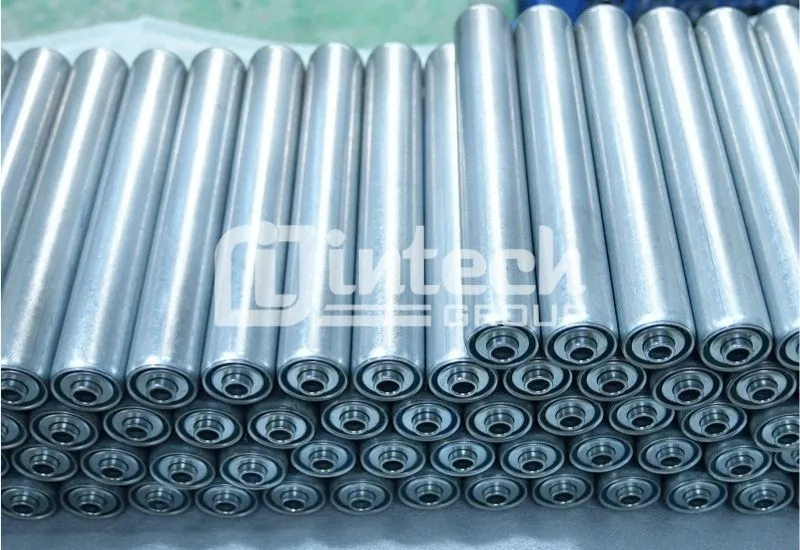
- Roller core: usually made of steel (C45, stainless steel), aluminum alloy or high-strength composite materials. Bears the main force, ensuring rigidity and the ability to operate continuously at high speeds. The core is the part that connects to the shaft and transmits force from the motor (if it is a driving roller).
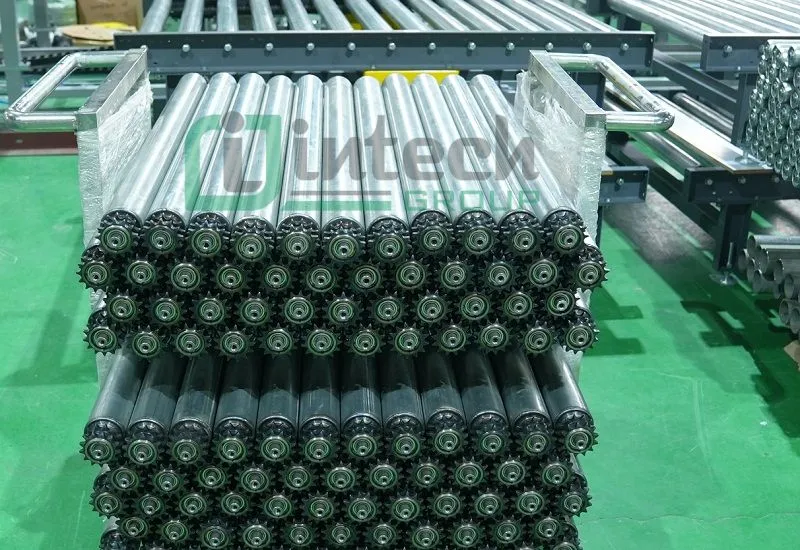
- Roller shaft: Steel or stainless steel, sometimes with spiral grooves to increase friction and dust removal. Connects the roller to the transmission system (such as motor, sprocket) or conveyor frame. The shaft is subject to bending and torsional stress during operation.
- Rubber shell: Natural rubber, synthetic rubber (such as polyurethane, silicone, EPDM, neoprene) depending on application requirements (heat resistance, strength, abrasion resistance). The rubber coating helps protect the metal core from abrasion and impact. Increases friction with the conveyor belt or transported material.
- Bearings (if applicable): Location: Mounted at both ends of the shaft. Helps reduce friction between the shaft and the core, allowing the roller to rotate smoothly.
- Seals or washers: Protect the bearing from dust, water, or chemicals in the production environment.
Advantages of rubber coated roller:
- The roller is covered with rubber on the outside for more friction and better adhesion to the surfaces it is rolling over. The outer rubber layer helps the roller avoid slipping on the surfaces it is rolling over, especially when those surfaces are wet or greasy.
- The rubber roller also helps reduce noise and vibration during the operation of the roller. When the roller is rolling over hard surfaces such as metal, it can create loud noise and vibration. Covering the outer rubber layer can minimize this noise and vibration, helping the production process to take place more smoothly.
- The rubber-coated roller has good anti-adhesion, anti-abrasion, anti-static, good elasticity, and can withstand strong impacts
- Easily combined with systems and production lines. Can work in many different environmental conditions.
- In addition, the rubber layer also helps protect the roller from external impacts such as impacts or toxic chemicals. The rubber grades are specifically selected to suit the application and environment in which the roller will be used.
Disadvantages of rubber rollers
- Temperature limitations: Ordinary rubber (such as natural rubber) is susceptible to deformation or decomposition at excessively high temperatures (>150°C if not specially treated).
- Lower durability than metal under harsh conditions: The rubber layer is susceptible to tearing, abrasion or cracking when subjected to excessive loads or in contact with sharp materials.
- Vulnerable to chemicals: Some types of rubber (such as natural rubber) corrode when exposed to acids, oils or strong solvents if not specially treated.
Applications of rubber rollers in industries
Rubber rollers are suitable for applications requiring high friction, noise reduction, material protection (food, paper, electronic components), and not too harsh environments.
- Rubber rollers are commonly used for transmission and movement in machinery such as trolleys, printers, welding machines, cutting machines, etc.
- Rubber rollers have the ability to increase grip and prevent slipping on surfaces such as airport runways, factory floors, etc.
- Used to reduce vibration and noise on moving equipment, machinery and in similar applications.
- Rubber rollers are used to reduce impact force on surfaces or equipment.
- Rubber rollers are widely used in industry to reduce vibration and noise on machinery and equipment.
- Rubber rollers are also used in construction to reduce vibration and noise during construction and use of machinery and equipment.
- Rubber-coated rollers are used in a number of industries such as packaging production, garment, glass production, assembly, or other goods transportation. Rubber coated rollers are currently widely used in the chemical industry, can work for a long time while still ensuring the durability of the roller.

Factors affecting the life of rubber rollers
The life of rubber rollers depends on many different factors, including:
- Rubber material: The better the rubber material of the roller, the longer its life.
- Roller hardness: If the roller is too soft or too hard, it will affect its life.
- Load: Too large or too small a load can affect the life of the roller.
- Rotating speed: The rotating speed of the roller also affects its life.
- Operating environment: If rubber rollers are used in harsh environments, with a lot of dust or chemicals, their life will be affected.
- Maintenance: Regular and proper maintenance is also an important factor in extending the life of the roller.
- Roller application: Rubber rollers used in applications that require high precision and long life will require higher quality and durability.
How to maintain rubber rollers effectively
Proper maintenance of rubber rollers is an important factor in extending the life, maintaining performance and avoiding damage during operation, especially in conveyor systems or production lines. Here are detailed instructions on how to maintain rubber rollers:
1. Periodic inspection: Depending on the usage environment, it is recommended to check weekly, monthly or after every 500-1000 hours of operation.
- Check the rubber surface: Look for cracks, tears, abrasion or deformation on the rubber layer.
- Check the shaft and bearings: Look for signs of looseness, jamming or unusual noise when rotating.
- Check the concentricity: Make sure the roller rotates evenly, without misalignment (use a ruler or feel).
- Purpose: Detect problems early to handle before serious damage.
2. Clean the roller: After each shift or when dirt, grease sticks
.
- Stop the machine: Disconnect the power to ensure safety.
- Remove dirt: Use a soft brush, dry cloth or compressed air to clean the rubber surface.
- Wipe with a suitable solution: Use warm water mixed with mild soap (neutral pH) to wipe, avoid strong solvents (acetone, benzene) that can damage the rubber. For chemical environments, use a specialized solution compatible with the type of rubber (eg acid-resistant neoprene).
- Dry wipe: Use a clean cloth or let it dry naturally, avoid direct high temperatures (such as drying with a dryer).
- Purpose: Remove dirt, prevent wear and maintain friction.
3. Lubricate the bearing: Every 1-3 months, depending on the load and operating speed.
- Check the bearing: Remove the cover (if any) to see if the lubricating grease is still good (dry, discolored is a sign that it needs to be replaced).
- Clean: Use a clean cloth and a mild solvent (kerosene) to remove old grease.
- Re-lubricate: Use heat-resistant grease (such as lithium grease) or specialized grease as recommended by the manufacturer.
- Reassemble: Ensure the bearing rotates smoothly, without jamming.
- Purpose: Reduce friction, increase bearing life and ensure the roller rotates evenly.
4. Repair or replace the rubber layer: When the rubber layer wears >50% of the original thickness, has deep tears or loses adhesion
- Remove the roller: Disconnect from the system, remove from the conveyor frame.
- Remove the old layer: Use a grinder or a specialized knife to remove the old rubber, clean the metal core.
- Re-coat the rubber: Stick a new rubber layer with a specialized glue (such as vulcanized glue). Or send it to the supplier to be re-coated with a heat press.
- Purpose: Restore performance, avoid replacing the entire roller.
Latest Rubber Roller Price List
The price of rubber rollers depends on many different factors such as size, shape, material, hardness, durability, application, and manufacturing unit. Rubber rollers with larger sizes, higher hardness and durability often have higher prices. In addition, rubber rollers manufactured by reputable and high-quality units often have higher prices than products of other units.
On the market, the price of rubber rollers can range from 30,000 VND for simple products to 200,000 VND for complex and large-sized products. However, the price of rubber rollers also depends on the market and demand, so the price can also change from time to time.
Intech Group provides prestigious, high-quality rubber rollers
Rubber-coated rollers are one of the very important equipment in conveyor systems and in current industrial production lines. To contribute to improving the ability to operate, transport goods as well as product durability, you need to choose the right type of roller.
Intech Group's rubber rollers are not only a simple mechanical part but also a comprehensive solution to help businesses improve productivity, reduce costs, ensure quality and safety. With its established reputation, Intech's products are a reliable choice for businesses that want to optimize their production lines and increase their competitiveness in the market.
With modern machinery and technology, all of our rollers are manufactured to international quality standards with the most competitive prices today. The price list of rubber-coated rollers will depend on the materials and sizes used to ensure cost savings.
If you need more details on how Intech rubber rollers apply to your specific industry, let us know!
- Address: Lot 6, Lai Xa Industrial Cluster, Tay Tuu Ward, Hanoi City
- Tel: 0966 966 032
- Email: info@intech-group.vn
Những câu hỏi thường gặp
❖
Sản phẩm cùng loại khác